Wait — Egypt? Alone?
If you’re reading this, you’re probably a woman weighing a trip to Egypt on your own, and you’ve already got the questions lined up: Is it dangerous? What do I wear? What’s it actually going to feel like, walking down the street by myself?
Do a quick search and you’ll find the usual warnings — be careful, wear baggy clothes so your shape doesn’t show, cover your hair. Some of that is outdated, some of it was never quite right to begin with. So let me skip the recycled advice and tell you what I’ve actually learned, after more than 3 years living in Sinai.
The staring, explained
Egypt is a predominantly Muslim country, and yes, how you look and dress will sometimes read as different from what people are used to seeing. Here’s the part that matters: the attention isn’t hostility. It’s curiosity — the same instinct that makes any of us glance twice at something unfamiliar. We’re all guilty of it somewhere.
Most people who visit Egypt do it on organized group tours, so a woman traveling solo already stands out before she’s said a word. Worth knowing too: the social friction here isn’t really about foreign women at all — it’s more pointed toward Egyptian women who don’t follow the same codes. Locals know you’re a tourist, know you’re not Muslim, and generally don’t expect you to live by their rules.
There’s more good than bad, everywhere, including here. If you do run into the rare idiot who says something, the best response is the one that costs you nothing: ignore it and keep walking. Unfortunately that’s not advice unique to Egypt.
What to actually wear
Short answer: there’s no dress law here. Nothing you’re legally required to cover.
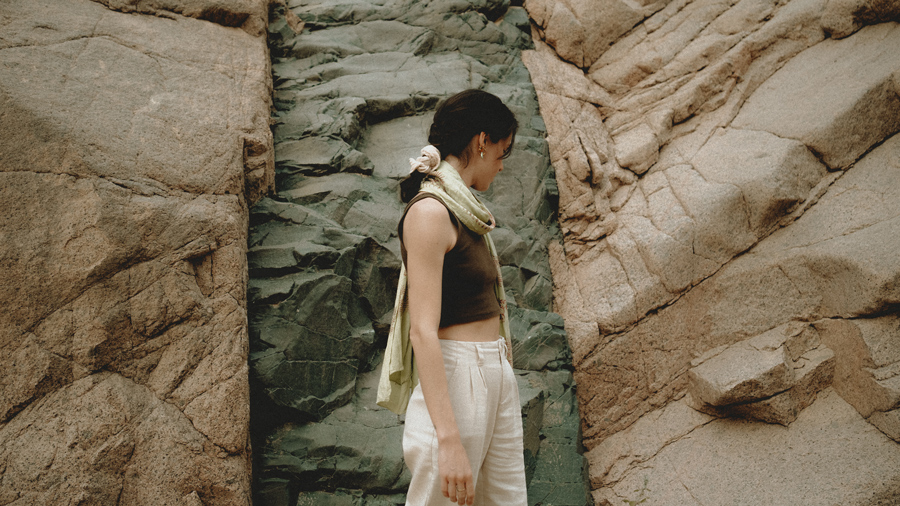
That said, styles are different, and if you’d rather not draw stares, skip anything very short or very tight. My go-to is light, loose, long trousers — comfortable, breathable, and they keep the attention down without you sacrificing comfort in the heat. Tank tops are fine.
Planning to visit a mosque? Bring a scarf. Some may ask you to cover up if your outfit doesn’t fit the space, same as covering your shoulders walking into a Catholic church — it’s not an Egypt thing, it’s a holy-place thing that shows up everywhere.
The tea, the questions, the warmth
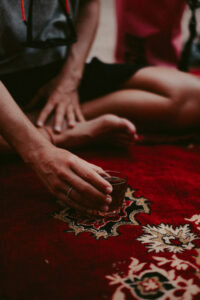
Someone will invite you for tea. That’s it — that’s the whole transaction. It’s simply how people here say welcome. Striking up a conversation with a local is one of the best parts of traveling anywhere, and in Egypt it usually happens with men, since men are more often the ones working tourist-facing jobs while women stay closer to home — though that’s shifting.
Expect the same friendly questions everywhere: where are you from, are you enjoying Egypt, will you come back, what do you do. It’s genuine curiosity, not an angle. Tourism here has taken real hits — the Arab Spring, COVID, the war on Palestine — so if the welcome sometimes feels a little eager or clumsy, that’s why: they want you to have a good time and tell other people to come.
Dahab breaks every rule you were expecting
Call it the jewel of Sinai. A Bedouin town on the Red Sea, built by a nomadic Arab people who’ve called this desert home for centuries — long before anyone drew borders on a map.
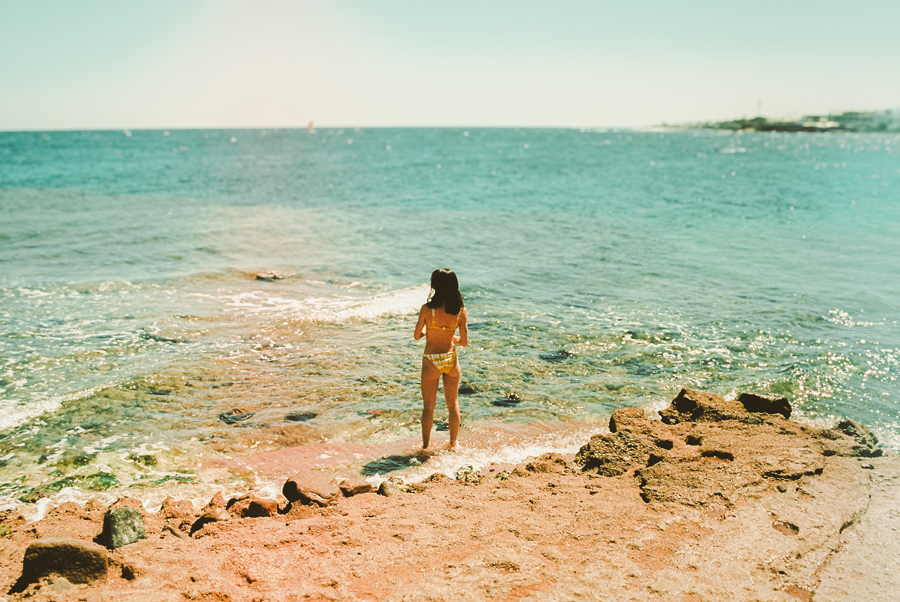
In Dahab, you can be whoever you want to be. It runs on “live and let live.” Leave your bike unlocked. Forget your wallet at a bar and — genuinely — you’ll get it back, nothing missing. Swim in a bikini. Walk the street alone at 2am if you feel like it.
Don’t come in afraid. By the time you leave Egypt, some preconception you didn’t even know you were carrying will probably be gone. That’s the whole point of traveling. :)
Ready to discover Dahab? Send us a message and we will help you organize your trip to south sinai!